
Child Abuse: You Don’t Have to Hit to Hurt
How to report child abuse or get help in Malaysia
- A child is in immediate danger: call the police on 999
- Talian Kasih 15999 (KPWKM, 24 hours): report suspected abuse or neglect, or ask for advice
- Jabatan Kebajikan Masyarakat (JKM): you can also report to your nearest district social welfare office, or at any police station
- Emotional support: Befrienders KL (24 hours) 03-7627 2929 · Talian HEAL (KKM) 15555
You do not need proof to make a report. If you are worried about a child, it is right to speak up.
Every child deserves to grow up safe, loved and free from fear. Sadly, some children experience abuse or neglect at home, at school or in other places where they should feel protected. The World Health Organization recognises child maltreatment as a serious public health problem that can affect a child’s health and development for many years. Abuse is not always visible. Words, threats and neglect can hurt as deeply as a hand raised in anger.
The four main types of child abuse
Physical abuse
Deliberately using force to hurt a child, such as hitting, shaking, throwing, burning or choking.
Sexual abuse
Involving a child in any sexual activity, with or without physical contact. This includes making a child undress or watch sexual acts, exposing oneself to a child, and sharing sexual images with or of a child.
Emotional abuse
Repeatedly making a child feel worthless, frightened, unloved or inadequate. This can include constant shouting, humiliation, threats, emotional blackmail, or isolating a child from others.
Neglect
Failing to meet a child’s basic physical or emotional needs, such as safe housing, food, clothing, hygiene, medical care, education, supervision and affection.

What abuse can feel like for a child
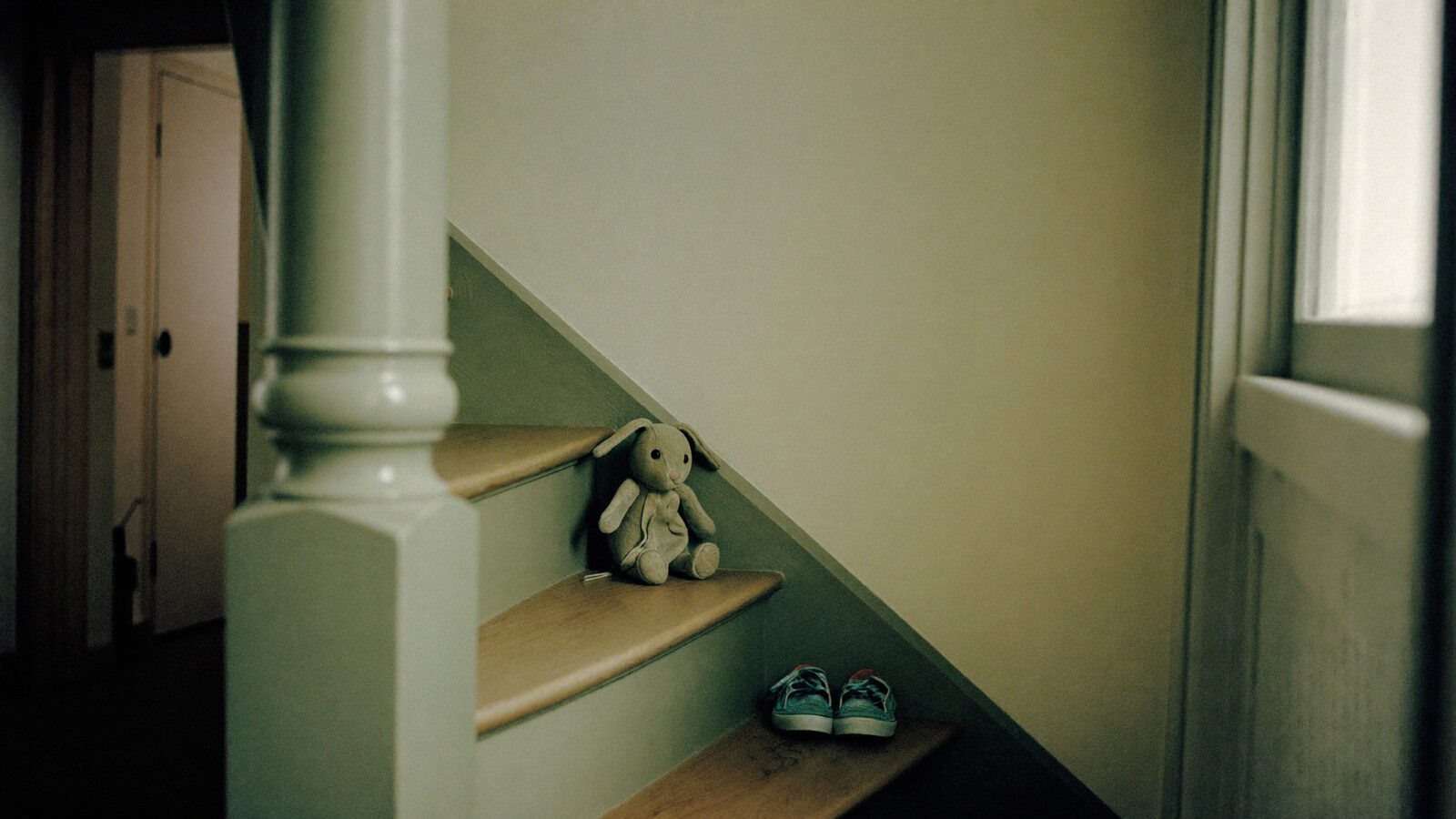
Childhood should be a time to play, ask questions about the world and feel safe with the adults around them. For a child who is being abused, each day can feel helpless and frightening, and the harm is often hidden from others. Children usually trust what adults tell them. A child who is repeatedly blamed, shamed or hurt may come to believe they deserve it. Many begin to criticise and punish themselves, trying to feel some sense of control in a situation they cannot escape.
Why it happens, and why help matters
Abuse is never the child’s fault, and nothing excuses it. Research shows it is more likely to happen when families are under heavy strain, for example because of untreated mental health problems, substance misuse, domestic violence, financial hardship, social isolation, or a parent’s own experience of abuse as a child. Understanding these pressures is not about blaming anyone. It shows where support can make a difference: parents who are struggling can and should seek help early, and doing so protects children.

Invisible wounds are real
Scars from abuse should never be normalised, whether or not they can be seen. Emotional abuse and neglect, including manipulation, gaslighting and constant criticism, can be just as harmful as physical abuse. The effects can last long after the abuse has stopped. Children who have experienced abuse are at higher risk of later difficulties, such as being bullied, misusing alcohol or drugs, experiencing violence in adult relationships, and mental health conditions including post-traumatic stress disorder (PTSD), complex PTSD, depression and anxiety.
With the right support, children and adults who have experienced abuse can heal. Safe, caring relationships and professional help make a real difference.
Signs that a child may need help
- Unexplained injuries, or explanations that do not match the injury
- Seeming fearful, withdrawn or anxious, especially around a particular person
- Sudden changes in behaviour, sleep, eating or school performance
- Sexual knowledge or behaviour that is not appropriate for their age
- Often hungry, unwashed or without suitable clothing or medical care
If a child tells you about abuse, stay calm, listen, tell them they did the right thing by telling you and that it is not their fault, and do not promise to keep it a secret. Then report it using the contacts above.

Getting support
There is a saying: “Be who you needed when you were younger.” Whether you are a parent, teacher, relative or neighbour, you can be the safe adult a child needs. If you are a parent who feels overwhelmed, reaching out for support is a strong and protective step.
At BeLive in Psychology, our registered psychologists and counsellors support children, teenagers and families. Learn more about our child and adolescent psychology services and family counselling. If a child is at risk, please contact Talian Kasih 15999 or the police first.
This article is for general education only and is not a substitute for professional assessment, diagnosis or treatment.
Related Reading
- Is There Anything Wrong with My Child?
- Teen Suicide: Warning Signs and How Parents Can Help
- Shame and Self-Doubt in Youth and Young Adults
Ready to talk to someone, or still deciding? Take a free, private self-check or reach out on WhatsApp — no pressure, no obligation.
WhatsApp Us: 018-206 7313 Free Mental Health Self-Check