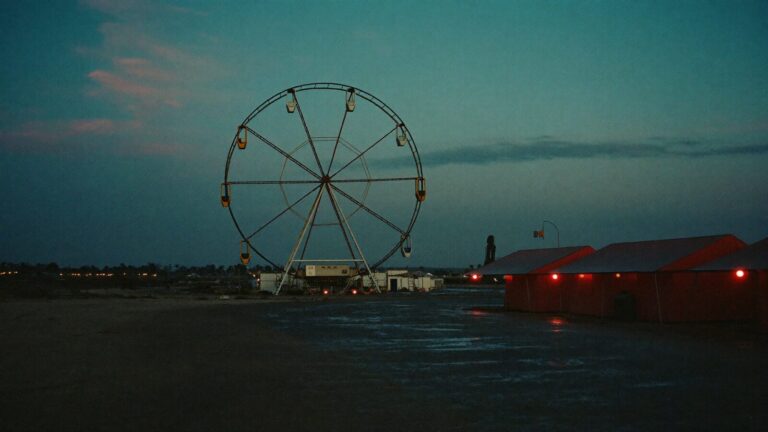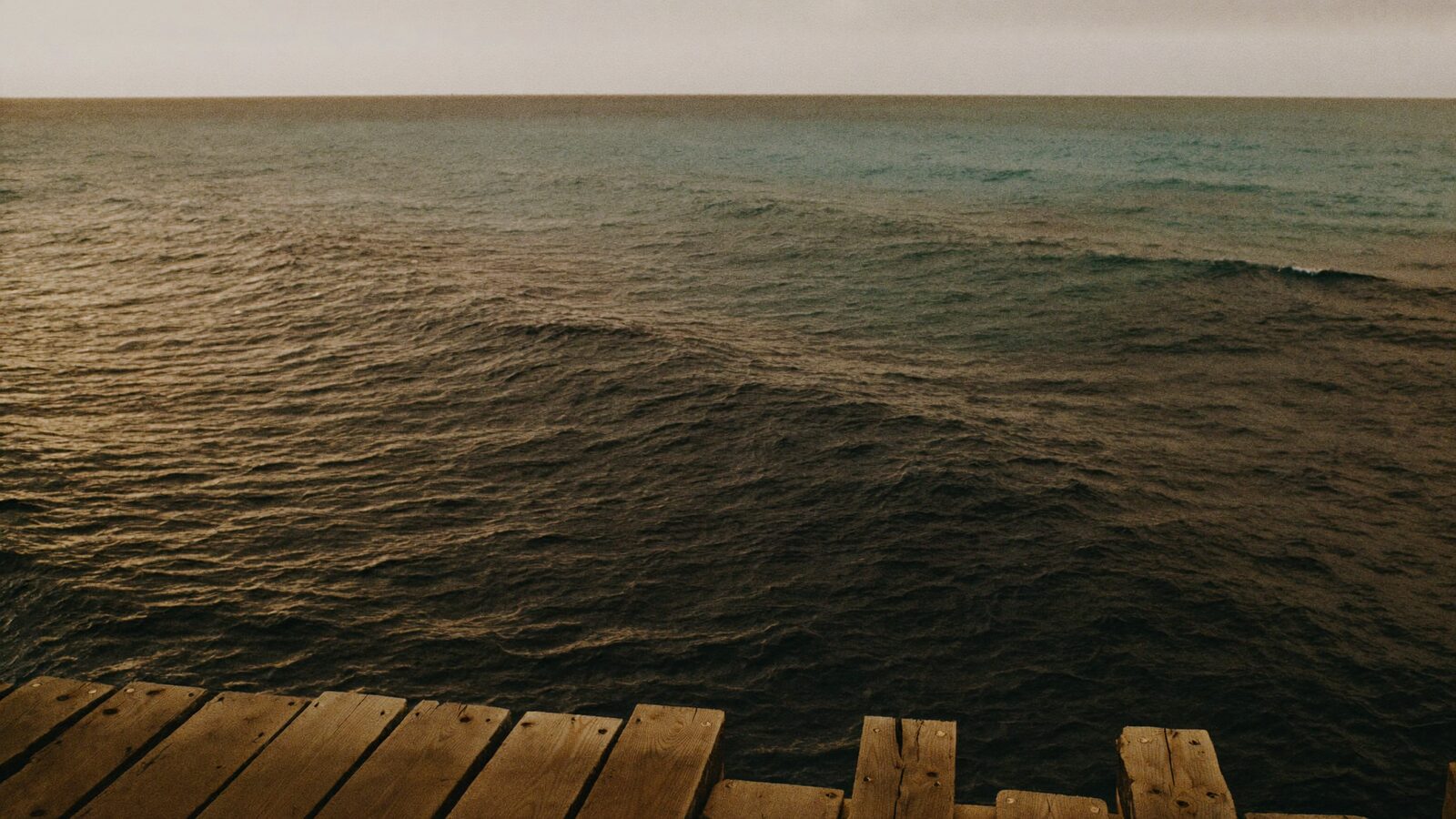

 I imagined a big white shark or a whale is below me whenever I am on a ship. It is ready to devour everyone on the ship. I like snorkelling but I dislike watching my feet floating in the middle of the water, I feel heavy and I am afraid something scary will appear in the deep blue sea as I am enjoying the beautiful corals. I will never swim faster than them, I will definitely die if it were to open its’ mouth at me.
What is thalassophobia?
Thalassophobia is an intense, persistent fear of deep, vast bodies of water, such as the open sea or ocean. For many people it is not water itself that is frightening, but the depth, the darkness and the thought of what might be hidden below. Thalassophobia is not listed as a separate diagnosis in the DSM-5-TR, the manual mental health professionals use for diagnosis. When the fear is severe and gets in the way of daily life, it may fall under specific phobia, a type of anxiety disorder (the “natural environment” type, which includes fears of water and heights) (StatPearls: Specific Phobia). Only a qualified professional can make a diagnosis.
Common signs
- Strong anxiety or panic on a boat, when swimming in deep water, or even when looking at pictures or videos of the deep sea
- Physical reactions such as a racing heart, sweating, shaking, shortness of breath or a “sinking” feeling
- Going out of your way to avoid the sea, boats or deep-water images
- Knowing the fear is bigger than the actual danger, but still finding it hard to control
How is it treated?
Specific phobias often respond well to psychological treatment. The main evidence-based approach is exposure-based cognitive behavioural therapy (CBT): with a therapist, you face the feared situation gradually and safely (for example, starting with pictures, then videos, then real-life settings) while learning skills to manage anxiety and challenge frightening thoughts. Virtual reality exposure is sometimes used as a stepping stone.
When to seek help
It may be time to talk to a professional if the fear causes you a lot of distress, or stops you from doing things you want or need to do, such as travelling, going on holiday or swimming with your family. You can read more about types of anxiety disorders, or speak to one of our counsellors about support for phobias.
My story: how I developed my fear of the deep sea
For me, thalassophobia is a fear of deep, vast water: the emptiness of the sea and the uncertainty of what lies beneath it. Curious whether this was what I had, I went to Google and searched photos of the deep sea (of course, a Google search is not a diagnosis!). Apparently, I can’t scroll more than 10 photos, it was horrible. I quickly exit the page and had to listen to Lany’s songs to calm myself down. My heart beats faster whenever I come across a picture of the sea. Seeing a picture is enough to scare me. My legs feel light, as if I am at the deep blue sea and I am not standing on anything. These photos appeared once in a while in my social media and I will get anxious for a few minutes before I am calm down again.I always know I am afraid of the sea but up until recently only I study that this phobia was developed because of a movie I watched when I was younger. It was Finding Nemo. I remembered watching Finding Nemo when I was younger. I liked the first few minutes of the movie when both clown fish were playing in the coral. Then, the atmosphere became quiet and dark. That’s because there is a “hunter fish” was staring at his prey from far away. His stares were cold and cautious. At lightning speed, he swam to both the clown fish and their family breaks apart.
 Everyone loves Finding Nemo and it was rated as one of the highest rating film ever since it was out. However, not for me. I hated that movie. Everyone was excited for Finding Dory when it came out in 2016 but I was not one of them. The poster scared me. The poster was well drawn, the graphic and the gradient colour. Nonetheless, my focus was on the endless deep blue sea, almost dark area of the sea.I wonder what I can do to treat my Thalassophobia. Then I came across a post mentioned how Cognitive Behavioural Therapy (CBT) can help to reduce the anxiety. Virtual experience also allows an individual to face their fears in a safe environment. But then, I am not ready. I guess it will take me a lot of courage to try a virtual experience before I am ready to face it. Until then, I just want to avoid seeing those photos. (Looking back, avoidance tends to keep a phobia going in the long run, which is why gradual exposure with professional support is the recommended approach.)
Thank you for reading this !
Related Reading
This article is for general education only and is not a substitute for professional assessment, diagnosis or treatment.
Ready to talk to someone, or still deciding? Take a free, private self-check or reach out on WhatsApp — no pressure, no obligation.
WhatsApp Us: 018-206 7313 Free Mental Health Self-Check