
Grief & bereavement support · KL & PJ
Grief Counselling in Malaysia
The loss of a loved one changes everything. Grief counselling gives you a steady, confidential space to carry that loss — with registered counsellors and psychologists in Kuala Lumpur and Petaling Jaya, in English, Bahasa Malaysia and Mandarin.
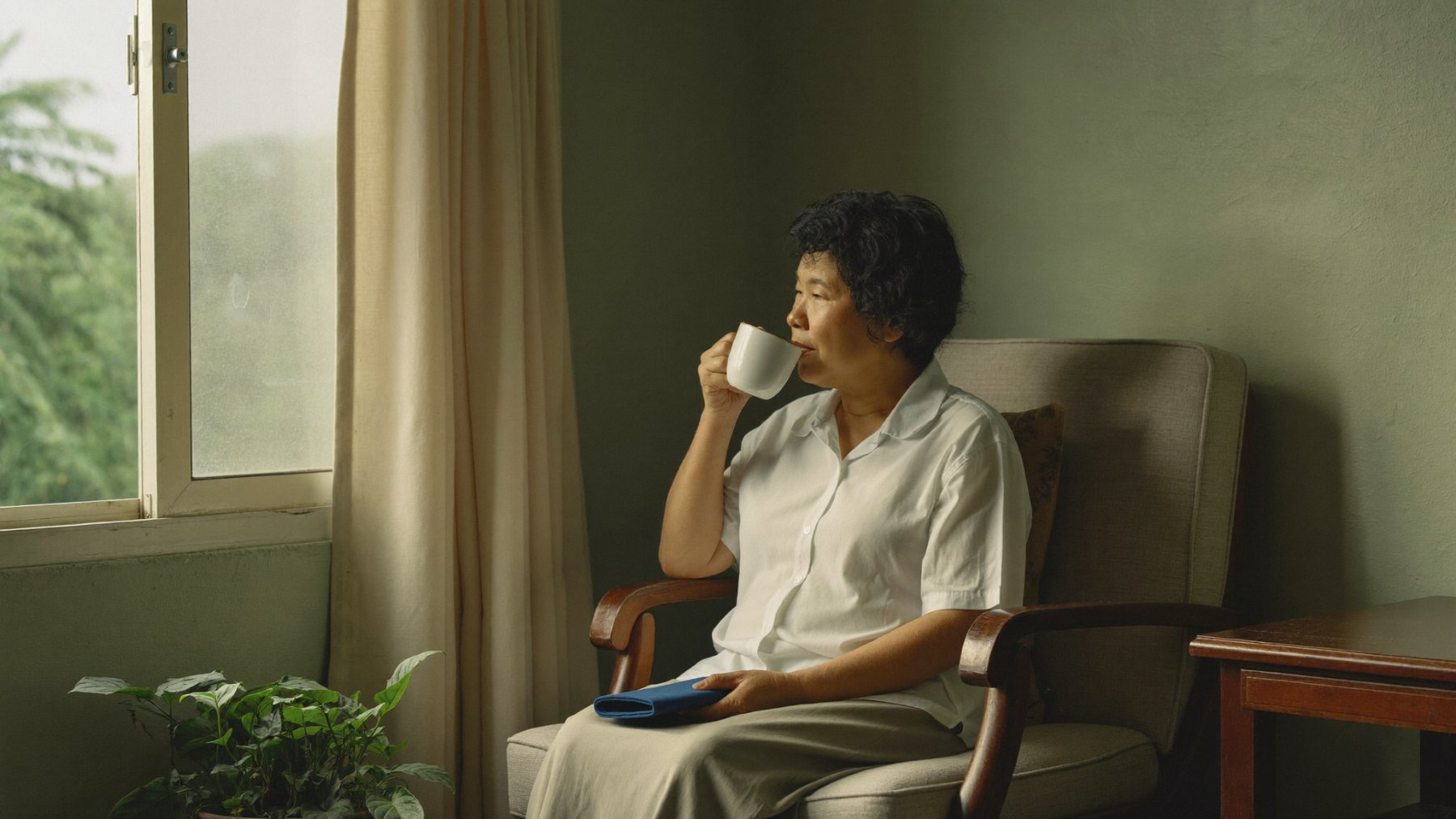
You Are Not Grieving Wrongly
Most people who come to us for grief counselling arrive worried that they are doing it badly. They are still crying after a year. Or they have not cried at all and wonder what is wrong with them. They feel relief alongside sadness and cannot say that out loud to family. They are functioning at work and feel like a fraud for it.
None of that is a sign of failure. Grief is not an orderly process, and the reaction to losing a loved one is as individual as the relationship that was lost. What counselling offers is not a correction to how you grieve, but company and skill while you do it.
Grief counselling — also spelled grief counseling — is offered here by registered practitioners, and there is no threshold of distress you need to reach before it is reasonable to seek professional support.
What Grief Can Feel Like
Bereavement affects the whole person, not only the mood. Common grief reactions include:
Emotional
Waves of intense sadness and longing · anger, sometimes at the person who died · guilt over things said or left unsaid · numbness · anxiety about further loss · moments of relief that bring their own guilt
Physical
Exhaustion that sleep does not fix · appetite changes · a heavy or aching chest — the “broken heart” sensation is real and well documented · disrupted sleep · lowered immunity
Cognitive
Difficulty concentrating or remembering · a sense of unreality · searching for the person in crowds · replaying the final days repeatedly
Social
Withdrawal from friends · loneliness even among family members · irritation at people who avoid the subject, and at those who raise it · dread of the first festive season without them
Forms of Grief
Not all grief follows a death, and not all of it is recognised by the people around you. Naming which form you are carrying often explains why it has felt harder than you expected.
Anticipatory grief
Mourning that begins before the death, during a terminal diagnosis or a long decline. Exhausting in its own right, and frequently accompanied by guilt for grieving someone still alive.
Disenfranchised grief
A significant loss that others do not treat as one — a miscarriage, an ex-partner, a pet, a colleague, a relationship nobody knew about. Real grief without the condolences.
Traumatic grief
Where the death was sudden, violent, or witnessed. The traumatic event and the loss have to be worked with together, and pacing matters more than usual.
Non-death losses
The end of a marriage, a diagnosis that closes off a future, migration, or the slow loss of a parent to dementia. You can experience loss deeply without a death having occurred.
Collective loss
Deaths during a period when funerals were restricted, or losses shared across a whole family or workplace, where nobody has spare capacity to support anyone else.
Cumulative grief
Several bereavements close together, where there was never room to finish grieving the first before the next arrived.
About the “Stages of Grief”
You may have heard of the five stages of grief — denial, anger, bargaining, depression, acceptance. It is worth knowing that this model was originally developed to describe people facing their own terminal illness, not those left behind, and that grief rarely moves through neat stages in order.
Most people find grief comes in waves rather than steps: manageable for stretches, then flattening without warning at a song, a smell, an anniversary. Expecting stages can leave you feeling behind schedule. There is no schedule.
A More Useful Model — Worden’s Four Tasks
Where the stages model describes passive phases you are supposed to pass through, the framework developed by grief researcher J. William Worden describes four tasks that bereaved individuals work at, in no fixed order, returning to each as needed. Most counsellors find it a far better fit for what actually happens.
- Accept the reality of the loss
Not intellectually — that comes quickly — but fully, including the part of you that still expects them to walk in. Rituals and talking about the loss both help here.
- Process the pain of grief
Feeling it rather than routing around it. Avoidance works in the short term and reliably costs more later.
- Adjust to a world without them
The practical, the emotional and the identity-level adjustments — who you are now, what you do on a Sunday, decisions they used to be part of.
- Find an enduring connection while moving forward
Not letting go. Finding a place for them in your new reality that allows you to re-engage with your own life without it feeling like a betrayal.
When Grief Becomes Something More
Grief is not a mental illness. But for a minority of people it becomes stuck in a way that does need professional help. Prolonged grief disorder is recognised when intense yearning, preoccupation with the deceased loved one, and difficulty accepting the loss persist well beyond a year and continue to prevent daily functioning.
Complicated or traumatic grief is more likely after a sudden or violent death, the loss of a child, a death you witnessed, or where the relationship was itself painful or unresolved. Depression and anxiety can also develop alongside bereavement, and are treatable in their own right.

Signs and Symptoms of Complicated Grief
Most grief eases in intensity over time without treatment. Complicated grief is different — it stays acute and keeps life on hold. Signs that suggest it is worth speaking to someone:
- Intense yearning for the lost person that has not softened after a year or more
- Persistent difficulty accepting the death, or a feeling that life stopped on that date
- Avoiding anything connected to the person — or the opposite, being unable to change a single item in their room
- Ongoing bitterness, or guilt that will not resolve no matter how often it is reasoned through
- Withdrawal from people who matter, and a sense that nothing is worth doing
- Being unable to cope with work, study or caring for others for a sustained period
Complicated grief responds well to structured therapy. Cognitive and behavioural approaches adapted specifically for bereavement are among the best-supported treatments, and typically work within a defined number of sessions rather than open-ended.
Please seek help sooner if you are having thoughts of ending your life, using alcohol or substances to get through the day, or unable to eat, sleep or work weeks after the loss. In a crisis, contact Talian HEAL 15555 or Befrienders Kuala Lumpur 03-7627 2929, both available 24 hours.
How Grief Counselling Helps
Counselling does not aim to remove your grief or hurry you past it. The work is to help you carry it without it flattening the rest of your life. In practice, sessions tend to focus on:
- Telling the story. Saying what happened, in full, to someone who will not flinch or change the subject. Being able to talk about the loss without managing the listener’s reaction is, for many people, the single most useful thing counselling provides.
- Making room for the difficult feelings. Anger, guilt and relief are common and rarely voiced. Naming them tends to reduce their weight.
- Coping strategies for the hard days. Anniversaries, birthdays, Raya and Chinese New Year, the first time someone asks how many children you have.
- Cognitive work where guilt has taken hold. Cognitive behavioural therapy (CBT) helps examine the “I should have” thoughts that grief so often produces, most of which do not survive close inspection.
- Continuing the bond. Finding a way to keep the person present in your life rather than being asked to let go.
- Rebuilding. Slowly re-engaging with work, relationships and plans without feeling that moving forward is a betrayal.
Your counsellor will tailor the approach to your situation rather than applying a fixed programme, and will say plainly what they think would help and why. Where a fuller psychological assessment would clarify whether depression has developed alongside the grief, that can be arranged.
Grief in the Family
Loss rarely lands evenly. One family member wants to talk constantly, another cannot bear to. Children grieve in bursts — distraught one hour, playing the next — which adults often misread as not caring. Couples can find that the same death pushes them in opposite directions.
Where the strain sits between people rather than inside one person, family counselling can help the household grieve alongside each other instead of separately. For children, our child psychologists use age-appropriate approaches, since a young child cannot put loss into adult words. Where the death has strained a marriage, couples therapy is sometimes the more direct route.
Individual Sessions and Support Groups
Individual counselling gives you the whole hour and full privacy — usually the right start when the loss is recent or the circumstances were traumatic. Group grief support offers something different: the recognition that comes from sitting with others who have lost someone, which no therapist can provide. A facilitated group can encourage people to speak who have gone quiet everywhere else.
Many people use both. Ask us about current group options.
Understanding Grief and Loss
Grief is the natural response to losing someone we are attached to. Attachment is what makes human relationships work — and grief is the price of it. How you experience grief is proportional to the bond, not a sign of weakness, and it explains why the death of a loved one can unsettle everything from sleep to identity.
Loss also arrives in forms that receive less recognition, often without the funeral, condolences and time off that a death brings. Grieving without that acknowledgement can be lonelier still, and it is a legitimate reason to seek support.
Coming to Terms, in Your Own Time
Rituals help more than people expect. A funeral, a prayer, a visit to the grave, a small memorial at home, cooking the dish they always made — these give grief somewhere to go. Where the funeral was rushed, missed or complicated by distance or family conflict, that unfinished feeling often surfaces later, and creating a private ritual can carry real weight.
Coming to terms with a loss does not mean being finished with it. It means the loss takes its place in your life instead of occupying all of it. Our aim in counselling is not to shorten your grief but to keep it from isolating you, and to protect your wider mental health and resilience while you find your way through. You will be met with compassionate, unhurried attention — no timetable, no checklist, no expectation to be further along than you are.
Working With Us
Sessions are held at our centre at Empire City, Damansara Perdana, Petaling Jaya, or through online therapy if travelling feels like too much right now — which, in early grief, it often does. Our counsellors and psychologists are registered practitioners, and sessions are available in English, Bahasa Malaysia and Mandarin.
There is no minimum commitment. Some people come for a handful of sessions around a difficult anniversary; others stay for several months. We will discuss what seems right and revisit it as things change. Fees are listed openly on our pricing page.
Frequently Asked Questions
How long after a death should I start counselling?
There is no correct time. Some people come within days because they need somewhere to put it; others come years later when something reopens the loss. Both are valid reasons to call.
Is it normal to still be grieving after a year?
Yes. Grief does not end at twelve months. What changes for most people is the frequency and intensity of the waves. If, however, the pain has not eased at all and you still cannot function, that is worth discussing with a professional.
I feel relief that they died. Does that make me a bad person?
No. Relief is extremely common after a long illness, a difficult relationship, or a period of exhausting caregiving. It sits alongside love rather than replacing it. This is one of the most frequent things people admit in a first session.
What if I did not have a good relationship with the person who died?
Grieving a difficult relationship is often harder, not easier, because you are mourning both the person and the repair that will now never happen. This is well-recognised work and counselling can help with it.
Do you offer grief counselling in Bahasa Malaysia or Mandarin?
Yes. Sessions are available in English, Bahasa Malaysia and Mandarin. People grieve most honestly in their first language, and we think that matters.
Does grief counselling actually work?
For uncomplicated grief, most people recover with time and the support of people around them, and research on the effectiveness of routine counselling for everyone bereaved is mixed — which is worth saying honestly. Where grief has become complicated or prolonged, however, structured therapy has good evidence behind it. If you are unsure which applies to you, one session is usually enough for a counsellor to say.
Take the first step
You Do Not Need to Have the Words Ready
Message us and we will take it from there — confidentially, at your pace.
BeLive in Psychology PLT (LLP0021820-LGN) · M-7-9, Empire City, PJU 8, Damansara Perdana, 47820 Petaling Jaya, Selangor