
Child & adolescent psychology · KL & PJ
Child Psychologist in Malaysia — Support for Every Child in KL & Petaling Jaya
Every child deserves to be understood. If your child is struggling with big emotions, school stress, friendships, attention or development, a child psychologist can make all the difference — for them and for you. BeLive in Psychology is a warm, child-friendly centre in Malaysia, serving Kuala Lumpur, Petaling Jaya and Selangor, where our clinical psychologists and counsellors help children and adolescents feel safe, understood and supported.
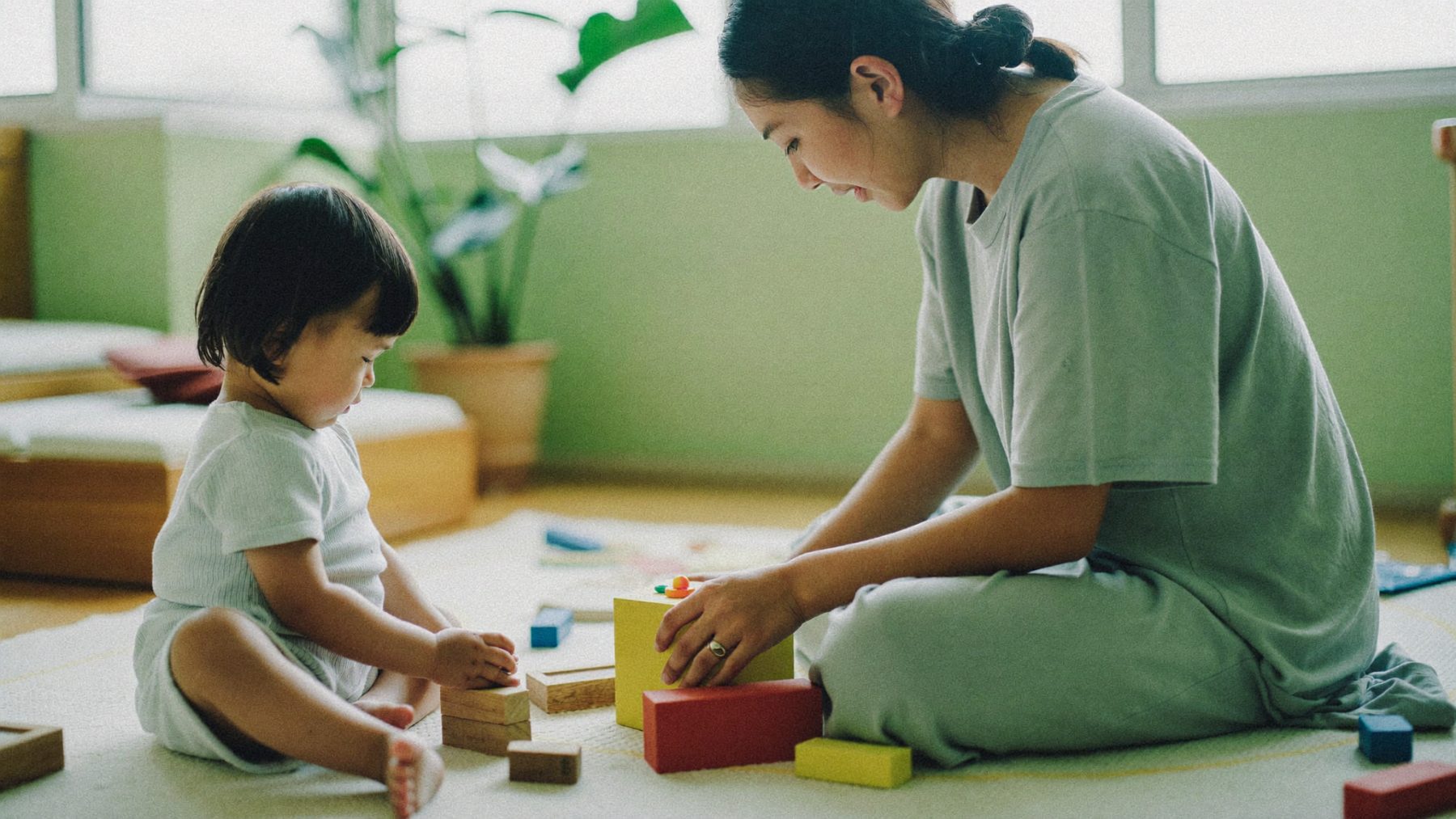
How Our Child Psychologists Help
Our centre offers a wide range of mental healthcare services designed for young minds — from psychological consultation through therapy to formal testing:
Child counselling and psychotherapy
Play-based and talk therapy for anxiety, low mood, anger, grief and school refusal.
Behavioural support
Practical strategies for meltdowns, defiance and habits that worry you.
Psychological assessments for children
ADHD, autism spectrum disorder, IQ, and specific learning disability testing with school-ready reports.
Adolescent therapy
A judgement-free space for teens navigating identity, stress, social media and exam pressure.
Family therapy and parent coaching
Because lasting change happens at home, we work closely with parents at every step.
Not sure what your child needs?
That is the most common place to start. Tell us what you are noticing and we will suggest the right first step — honestly.
When Should You See a Child Psychologist?
Parents usually know when something feels off. Consider a consultation if your child shows:
- Persistent worries, fears or clinginess that disrupt daily life
- Frequent meltdowns, aggression or emotional outbursts beyond their age
- Falling grades, trouble focusing, or teachers raising ADHD concerns
- Differences in speech, social play or development
- Withdrawal, sadness, sleep changes or loss of interest
- Difficulty coping after big changes — divorce, loss, moving school
Early support builds coping skills that last a lifetime. You don’t need a referral, and coming in “just to check” is always okay.
What Happens in a Session?
- Parent consultation first. We listen to your concerns and your child’s story — history, school, home, strengths.
- Meeting your child. Through play, art and conversation, our psychologist builds trust at your child’s pace. Sessions never feel like a test.
- A plan you understand. Whether it’s therapy, psychological assessments or parent strategies, you’ll always know the why and the next step.
- Progress together. Regular parent check-ins keep home, school and therapy moving in the same direction — an evidence-based, whole-family approach.

Meet Mickey 🐾 — Our Furry Co-Therapist
Some children find it easier to open up with a gentle friend nearby. Mickey, our calm and affectionate therapy dog, helps nervous young visitors feel at home from the very first session — because feeling safe comes first. (Not a fan of dogs? Just let us know — Mickey happily sits sessions out.)
Psychological and Counselling Services for Children
Children rarely arrive able to say what is wrong. They arrive because something has changed — sleep, appetite, school refusal, tempers, a withdrawal that the family cannot explain. Child psychology works backwards from those signals, using developmental psychology to distinguish what is age-appropriate from what warrants attention.
Concerns we commonly work with:
- Anxiety disorders — separation anxiety, school refusal, social anxiety, specific fears
- Low mood and depression, which in children more often looks like irritability than sadness
- Neurodevelopmental conditions — attention deficit hyperactivity disorder, autism spectrum conditions
- Learning difficulties including dyslexia, where school performance sits well below evident ability
- Behavioural difficulties — aggression, defiance, tantrums beyond the expected age
- Psychological trauma and post-traumatic stress following accident, loss, bullying or family breakdown
- Adjustment to divorce, relocation, a new sibling or bereavement
Play Therapy and How Children Communicate
Asking a seven-year-old to describe their anxiety in words asks for something their development has not yet delivered. Play therapy solves this. Through drawing, figures, sand and structured games, children externalise what they cannot narrate — and a trained therapist reads the content and the process, watching what gets repeated, avoided or resolved.
To a parent watching, it can look like an expensive hour of play. What is happening is child psychotherapy conducted in the child’s own language. Creative approaches including art and music therapy activities work on the same principle: give the feeling a form the child can handle, then work with it.

Working with Teenagers
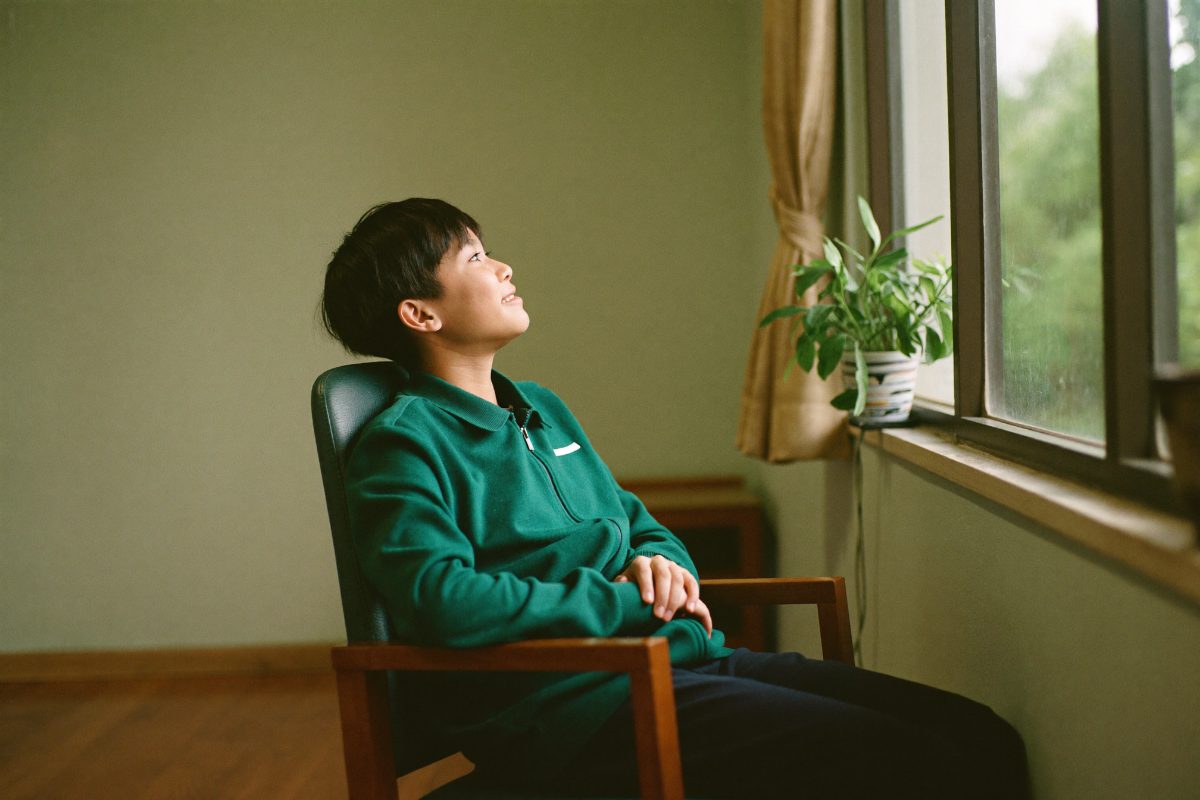
Adolescence needs a different approach again. Teenagers are old enough for talking therapy but acutely sensitive to being managed, and a session that feels like an extension of parental authority will fail. We work with adolescents more directly and more collaboratively — clear about confidentiality and its limits, and clear that they are the client, not the subject of the appointment.
Parents are kept appropriately involved. Where a teenager’s difficulties sit inside a wider household pattern, family counselling is often more effective than individual sessions alone.
Psychological Evaluation for Children
Where the question is diagnostic — is this ADHD, dyslexia, autism, or a bright child who is bored and anxious — therapy alone will not answer it. A structured psychological evaluation can include measures of intelligence quotient, academic attainment, attention and behaviour, plus input from parents and, with permission, teachers.
A medical diagnosis is not the goal in itself. The goal is an accurate description of how this child learns and copes, and a set of recommendations a school can act on. See our assessment services, or the specific pages for ADHD, autism and learning disability assessment.
Supporting Parents Alongside the Child
Bringing a child to a psychologist is often accompanied by guilt — a private conviction that a better parent would have prevented this. It is worth saying plainly that childhood difficulties arise from temperament, development, health and circumstance far more often than from parenting.
That said, parents are the intervention that operates every day of the week, and sessions frequently include work with the adults: understanding what the behaviour communicates, responding to escalation differently, and holding boundaries without the relationship becoming a battleground. Children build psychological resilience mainly through the responses of the adults around them, which is why parent sessions are part of the treatment rather than an add-on.

Our Approach to Children’s Mental Health Care
Work with children draws on clinical psychology and developmental science together. A symptom that would signal a mental disorder in an adult may be entirely ordinary at four years old, and a behaviour that looks like defiance at nine may be an anxiety disorder expressing itself in the only way that child can manage. Reading the difference correctly is the whole skill.
We also take a long view of the child’s well-being rather than only the presenting complaint. A child treated for school refusal who returns to class but still dreads every morning has not really been helped. The aim is a child who copes, connects and enjoys their life — which is also what makes gains durable once sessions end.
A note on terminology parents often encounter: Asperger syndrome is no longer used as a separate diagnosis, having been absorbed into autism spectrum disorder in current diagnostic manuals. Older reports may still use it. Likewise, severe stress reactions in children are diagnosed as post-traumatic stress disorder using criteria adapted for a child’s developmental stage, not the adult version applied unchanged.
Where a child needs input beyond psychology — paediatric review, speech and language therapy, occupational or physical therapy — we will say so and coordinate with the wider health care team rather than working in isolation.
Choosing a Child Psychologist in KL
Families in the Klang Valley have several options — hospital-based child units such as those at Pantai Hospital Kuala Lumpur or Hospital Kuala Lumpur, and private psychology centres like Serene Psychological Services or our own. Hospitals suit complex medical needs; a dedicated psychology centre typically offers faster appointments, longer sessions and a cosier setting for a nervous child. Whoever you choose, look for registered clinical psychologists, experience with your child’s concern, and a place where your child genuinely feels at ease — clinical excellence matters most when it feels like play.
Why Parents Across KL & Selangor Choose BeLive
- Registered clinical psychologists and counsellors specialising in child psychology and adolescent mental health services
- Warm, inclusive, play-friendly rooms — designed to help children open up
- Comprehensive assessment and psychotherapy under one roof, with speech therapists and schools looped in when needed
- Trilingual sessions — English, Bahasa Malaysia, 中文
- Easy access from Kuala Lumpur: Empire City, Damansara Perdana (off Jalan PJU 8, near Bukit Lanjan interchange), with simple parking
Where We See Children
Sessions take place at our centre in Damansara Perdana, Petaling Jaya — accessible from Kuala Lumpur, Damansara, Kota Damansara, Bandar Utama and across Selangor. We work in English, Bahasa Malaysia and Mandarin, which matters particularly with children, who will not do therapy in a language they are still learning.
- Centre
- Damansara Perdana, Petaling Jaya — off Jalan PJU 8, near the Bukit Lanjan interchange and Empire City, with simple parking.
- Areas we serve
- Kuala Lumpur, Damansara, Kota Damansara, Bandar Utama and across Selangor.
- Languages
- English, Bahasa Malaysia and 中文.
How Much Does a Child Psychologist Cost in Malaysia?
Fees for child psychology vary widely between providers in Malaysia, and a low quote often means a brief screening rather than a full assessment — so check whether a written report and a feedback session with parents are included. Ours are published in full on our pricing page. The most common starting points for children are:
- Behavioural / emotional screening — RM1,200 (2 sessions)
- Comprehensive developmental review, under 3 years old — RM1,780 (2 sessions)
- Comprehensive developmental review, above 3 years old — RM3,000 (3 sessions)
- ADHD assessment — RM1,200 (2 sessions)
- Autism (ASD) assessment — RM1,780 (2 sessions)
Not sure which applies? Start with the free parent & child self-check, or message us and we will help you decide before you book anything.
Book a Consultation for Your Child
Trust your instinct — if you’re wondering whether to seek support for your child, that wondering is reason enough to ask. WhatsApp us and tell us a little about your child; we’ll recommend the right therapist and the right first step, honestly.
Your Child Deserves to Feel Understood
Tell us a little about your child and we will recommend the right first step — honestly and gently.
FAQ — Child Psychologists in Malaysia
How much does a child psychologist cost in Malaysia?
Behavioural or emotional screening is RM1,200 over two sessions, and a comprehensive developmental review is RM1,780 for children under 3 or RM3,000 for those above 3. An ADHD assessment is RM1,200 and an autism (ASD) assessment RM1,780. Every fee is listed on our pricing page.
At what age can a child see a psychologist?
From toddlerhood onward. Younger children work through play; our psychologists adapt every session to age and temperament.
Will I be in the room with my child?
For young children, often yes at first. As trust grows, some one-to-one time helps — always agreed with you beforehand.
Do you handle ADHD and autism testing?
Yes — full psychological assessments for ADHD, autism and learning differences, with reports schools and specialists accept across Malaysia.
My teenager refuses counselling. What can we do?
Start with a parent consultation. We’ll help you open the door gently — many reluctant teens engage once they realise the counsellor is on their side, not the school’s.
Can sessions be online?
Yes, especially for teens and parent coaching. Younger children usually benefit most from in-person play-based sessions at our centre.
Bullying is one of the most common reasons parents get in touch. We cover it in Bahasa Malaysia here: maksud buli — jenis, kesan dan cara mengatasinya.