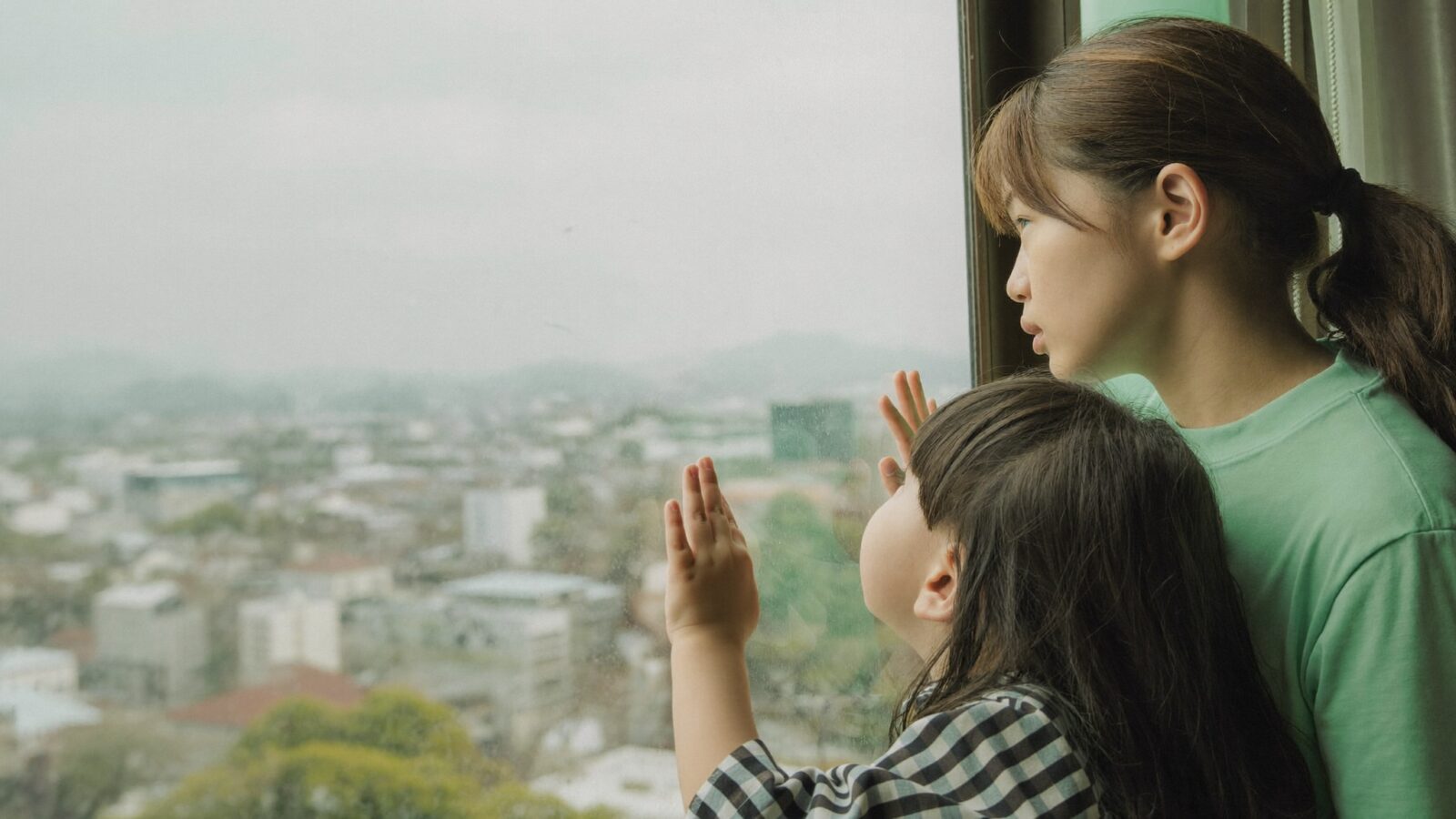

Yes, the haze can affect your mental health, not just your lungs. Weeks of staying indoors, cancelled plans and constant worry about the air can leave adults and children feeling irritable, flat, restless or anxious. Most of this is an understandable reaction to a disrupted life and eases as routines return. But if low mood, worry or poor sleep carry on after the skies clear, please take it seriously.
I’m Jackie Yong, and I’ve spent more than ten years working with teenagers and families in the Klang Valley. This haze season, I think we have been treating it as a purely physical health issue. It is that. It is also a mental health event, and I’d like us to talk about it that way.
Why Weeks of Haze Can Weigh on Your Mood
This has not been a short episode. On 20 October, Malay Mail reported that 30 areas nationwide had unhealthy Air Pollutant Index (API) readings at 9am. Petaling Jaya and Shah Alam each recorded 167, and Batu Muda in Kuala Lumpur and Johan Setia in Selangor were highest at 172. Anything from 101 to 200 is classed as unhealthy.
A Malay Mail report on 26 October noted that the haze had persisted since early August. In it, the experts interviewed described what many of us have felt at home: frustration, irritability, anxiety, low mood and isolation. Registered counsellor Brian John Dorai of Wawasan Open University pointed to lethargy, loss of motivation, more screen time and people withdrawing even within their own household. Dr Bala Murali Sundram of Universiti Malaya explained how poor sleep affects attention, memory, decision-making and emotional control.
The same report mentioned research linking fine particulate matter (PM2.5) to depression and anxiety. Dr Bala was careful to add that most of this evidence is observational, so cause and effect has not been proven. The effects are likely to come from a mix of things: the pollution itself, plus less movement, broken routines and less contact with people.
That matches what I see in practice. The haze rarely “causes” a problem out of nowhere. What it does is remove the small things that keep us steady: the evening walk, the futsal game, the mamak catch-up, the sun on your face on the way to the LRT. Take enough of those away for long enough and anyone’s mood will dip.
What’s a Normal Reaction, and What Isn’t
It helps to separate an understandable reaction from something that needs attention.
Usually understandable (and likely to ease as routines return):
- Feeling bored, cooped up or short-tempered
- Sleeping a bit worse or waking up tired
- Less motivation for work or study
- Children who are clingier, more restless or argue more
Worth taking seriously:
- Low mood or loss of interest that lasts for weeks, even after you can go out again
- Worry that feels constant or hard to switch off, or panic symptoms
- Sleep problems that keep going
- Struggling to cope with work, school, relationships or daily tasks
- Any thoughts of self-harm or that life isn’t worth living (please seek help straight away, see below)
These are signs to look at more closely, not a diagnosis. Only a qualified professional can assess what is going on. If you’d like a private starting point, our free anxiety and stress self-check can help you put words to how you’ve been feeling.
Practical Steps to Feel Steadier as the Skies Clear
For adults: rebuild your routine on purpose
Routines rarely come back on their own. Late nights and endless scrolling tend to stick around. What I usually suggest:
- Anchor your wake-up time. Pick a fixed time and keep it, weekends included. Morning daylight helps reset your body clock.
- Bring movement back in small doses. When the air is good again, a 15-minute walk counts. You don’t need to jump straight back to your old gym routine.
- Book one social plan this week. Reconnect deliberately with the people you have been missing. Isolation tends to feed itself.
- Limit the “API checking” habit. Hourly refreshing adds worry, not safety. Check at set times, decide, and move on.
- Notice spiralling thoughts. If you keep replaying worries, our guide on how to stop overthinking has simple tools you can try today.
For parents: kids feel it too, but say it differently
In my work with young people, I’ve noticed that children seldom say “I feel low.” They show it through behaviour. Dr Hilwa Abdullah Mohd Nor, a clinical psychologist at UKM quoted in the Malay Mail report, put it well. She said irritability, clinginess or arguing may reflect difficulty adapting to a disrupted routine “rather than deliberate misbehaviour.”
- Name the feeling for them. “You’re fed up because you couldn’t play outside. That makes sense.”
- Explain the haze simply and calmly. Tell them the air is unhealthy right now, so the family is staying in to stay safe. Let them ask questions without frightening them.
- Restore the rhythm of the day. Regular meals, bedtimes and some kind of physical play matter more than any app.
- Reconnect them with friends. Video calls during the haze, then real playdates once the air improves.
- Watch your teens’ screens and sleep. Weeks indoors can quietly shift a teenager’s body clock to 2am. Bring it back gradually, not with a sudden ban.
If changes in mood, behaviour or sleep don’t settle within a few weeks of normal life resuming, talk to someone. Our child psychologists in KL work with children and teenagers in English, Bahasa Malaysia and Mandarin.
For people already living with anxiety or depression
In the same report, Dr Bala listed people with existing mental health conditions among the groups most vulnerable during prolonged haze. The haze can take away the exact supports you rely on: exercise, routine, seeing people, even getting to appointments. If you’ve noticed old patterns creeping back, that is not failure. It is useful information.
- Go back to the coping plan that worked for you before, even in a smaller form.
- Tell someone you trust that you’ve been finding it harder.
- Don’t stop or change any medication on your own. Speak to your doctor first.
- If travel has been difficult, online therapy lets you keep your sessions going from home.
My Position: Let’s Not Brush This Off
I agree with the experts in the report. Emotional strain during a long haze is real and shouldn’t be dismissed as “just stress.” I’d go a step further. As the skies clear, the risk is that we all assume everything goes back to normal on its own. For many people it will. For some, especially young people, isolated older adults and anyone already struggling, it can linger quietly.
So my recommendation is simple. Treat the next few weeks as a recovery period. Check in with yourself, your children and your older relatives on purpose. And if something isn’t lifting, reach out early rather than waiting it out.
To be clear about the limits: an article can’t assess you, and the research on pollution and mood is still developing.
When to Seek Help Urgently
If you or someone you know is in immediate danger, call 999. For emotional support, you can contact Talian HEAL 15555 (Ministry of Health) or Befrienders KL at 03-7627 2929.
Frequently Asked Questions
Can the haze really affect mental health?
It can. Experts quoted by Malay Mail linked long periods indoors to irritability, anxiety, low mood and isolation. Some studies also associate PM2.5 with depression and anxiety, although cause and effect has not been established. Disrupted routines, less exercise and less social contact all seem to play a part.
How long should haze-related low mood last?
There’s no fixed timeline. For most people, mood improves as normal routines, outdoor activity and social life return. If low mood, worry or sleep problems continue for several weeks, or affect your daily life, speak to a qualified professional.
My child has been angry and clingy during the haze. Is this normal?
Often, yes. Children commonly show frustration through behaviour rather than words. Keep routines steady, acknowledge their feelings and give them active play. If the changes persist or worry you, seek professional guidance rather than waiting.
This article is for general education only and is not a substitute for professional assessment, diagnosis or treatment. Only a qualified mental health professional can diagnose a mental health condition. If you are in crisis, call 999 or Talian HEAL 15555.

Written & reviewed by Jackie Yong
CEO & Consultant Senior Counselling Psychologist, BeLive in Psychology · View profile
Ready to talk to someone, or still deciding? Take a free, private self-check or reach out on WhatsApp — no pressure, no obligation.
WhatsApp Us: 018-206 7313 Free Mental Health Self-Check